
Cool Homes
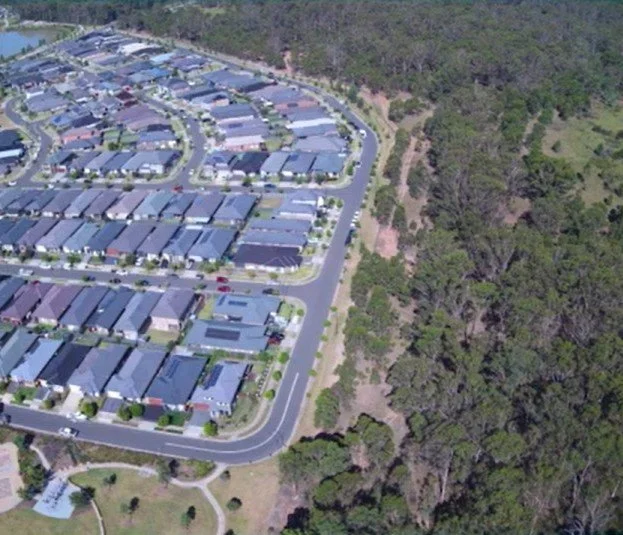
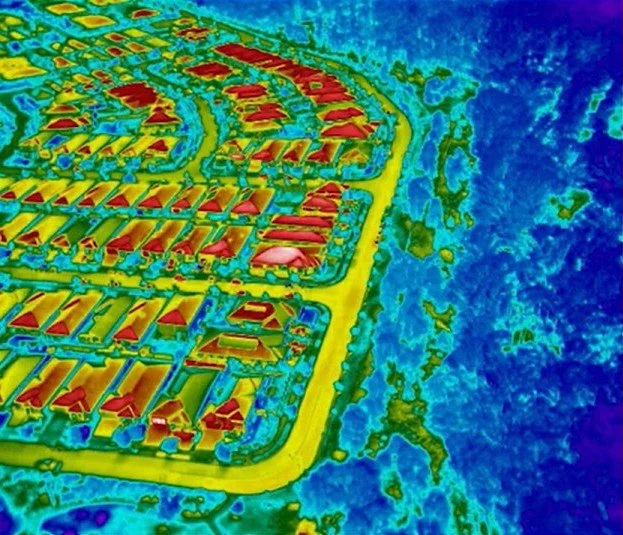
Images of urban heat in Western Sydney by Sebastian Pfautsch
Heatwaves in Australia kill more people than all other natural disasters combined
Urban areas create heat islands which are hotter than surrounding areas, both day and night.
Water moderates climate, but the unshaded hard surfaces of urban areas (homes, footpaths and roads) contain very little water and protection from the sun, so are much hotter in summer and colder in winter. On a mild day in Katoomba we measured the temperature difference between pavers in full sun, and grass in the shade of a tree, and found it to be a surprising 30C.
There are a number of simple choices that can create cooler microclimates:
Choose materials made of lighter colours (particularly roads and roofs)
Choose surfaces that contain water (grass rather than pavers) and increase water bodies on site (e.g. ponds)
Increase shading to block solar radiation
Cool Your Home Workshop
In our Cool Your Home workshop Dr Agnieszka Wujeska-Klause, Research Assistant to Associate Professor Sebastian Pfautsch from Western Sydney University, shared research on the Urban Heat Island effect in Western Sydney.
She identified the most appropriate actions to lower heat in summer and guided participants in how to use a thermal imaging camera to identify which surfaces retain the most heat.
Thermal Imaging Cameras can be borrowed from Blue Mountains Libraries.