
Landscaping
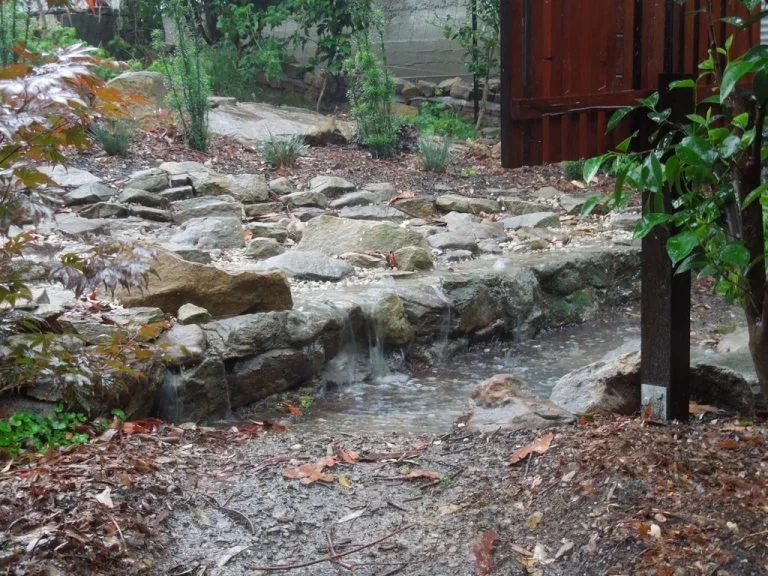
Landscaping to Reduce Stormwater Damage
We are learning better ways to manage the stormwater run-off from built areas by exploring strategies from other cultures and by observing existing natural systems.
Landscaping to reduce stormwater runoff and damage from extreme wet weather events can include a combination of hard and soft engineering, and vegetation.
Integrating forests into the landscape, especially in heavily cleared areas, is a viable and cost-effective solution for flood mitigation. In water-rich regions, fast-growing and high water-consuming species can reduce flood risk.
Future-Proofing with Water in a Japanese Inspired Garden
Inspired by Japanese Zen Buddhism, Anne Mellor has designed her Springwood home around water. Facing the challenges of living in a Flame Zone, while also dealing with stormwater impacts on a sloping block, she shares how her water management strategies, including Japanese gutters and a dry creek bed, are reducing her risk of fire, flood and heatwave, while also creating a sanctuary of peace and tranquility.
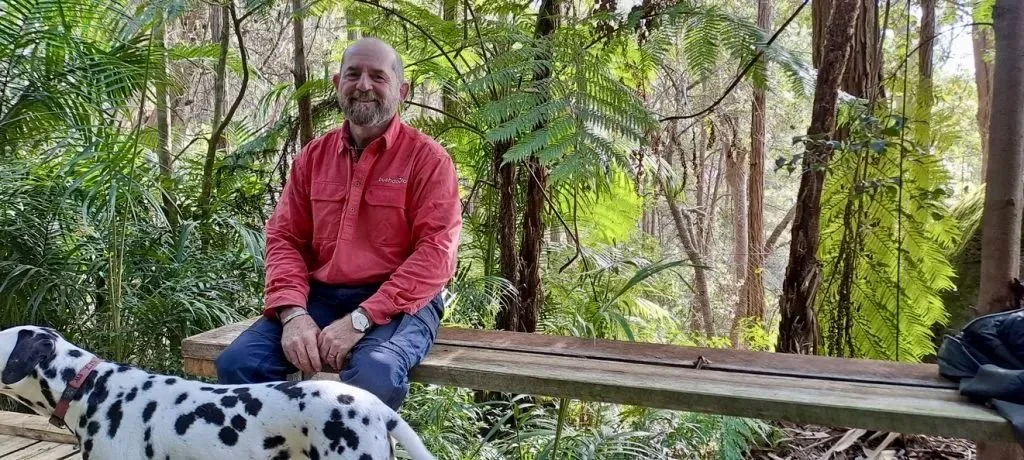
The Bush Doctor Protecting Our Swamps
Springwood resident Shane Grundy is The Bush Doctor. He uses soft engineering techniques to help rejuvenate swamps and improve water quality in the Blue Mountains. His own garden is aesthetically beautiful, but also manages the stormwater from two adjacent houses. Rainwater hits the hard surfaces such as the rooves and driveways. Some of it is stored in a water tank, the rest is directed into the landscaped garden. Sandstone-lined courses and rock basins slow the stormwater flow, giving it a chance to infiltrate into the ground.
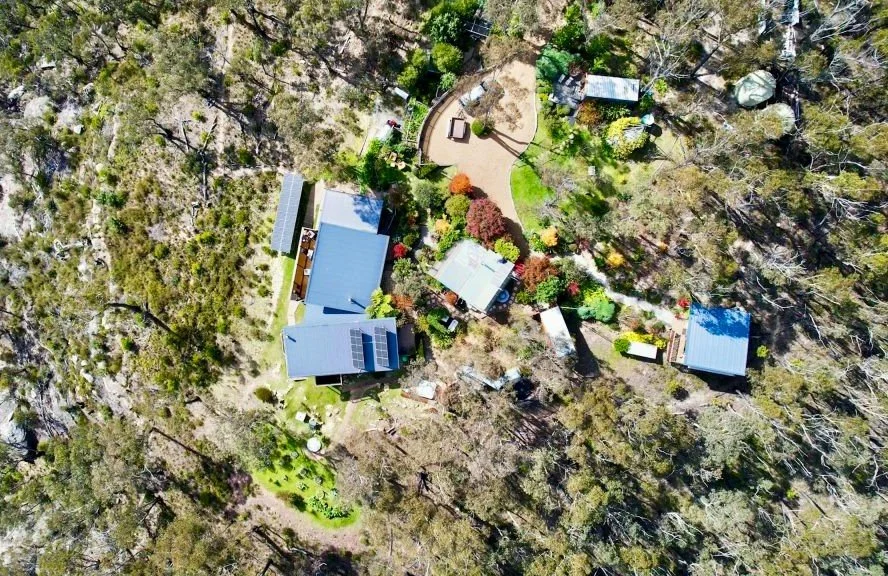
Water Management to Reduce Disaster Risk
Andy Stevenson redesigned the driveway above his house to direct excess stormwater away from his home to avoid flooding. He then cleaned and collected this water in a 20,000L tank to be used by the RFS for firefighting.
Surplus was used for irrigation. Grey water was cleaned by an accredited grey water treatment system, and distributed through the garden with sub-surface drip irrigation. Black water was treated by a digestive ecomax which released the cleaned water into an evaporation trench. Together, all these systems helped create a moist soil sponge that can support life even in the longest drought.